Best Utility Vehicles for Sale in the USA and Canada
Finding the right utility vehicle can make everyday work easier, improve productivity and provide dependable transportation for farms, ranches, commercial properties and outdoor activities. Whether you need a compact side-by-side for property maintenance, a heavy-duty work vehicle for demanding jobs or an electric utility vehicle for quieter operation, there are many options to consider across the USA and Canada.
At Utility Vehicles for Sale, buyers can explore different vehicle categories, compare available options and find purchasing information to help make an informed decision. From new and used UTVs to work-focused utility vehicles, choosing the right model starts with understanding your requirements, budget and intended use.
This guide explores popular utility vehicle types, important buying considerations, features worth comparing and how to find the right vehicle for your needs.
What Are Utility Vehicles?
Utility vehicles are designed to support practical transportation and work-related activities. Depending on the vehicle type, they can transport passengers, carry tools, move equipment, tow compatible loads or travel across suitable outdoor terrain.
The term covers several vehicle categories, including:
- Utility Terrain Vehicles (UTVs)
- Side-by-side vehicles
- Farm and ranch utility vehicles
- Commercial utility vehicles
- Electric utility vehicles
- Diesel utility vehicles
- Compact work vehicles
- Heavy-duty utility vehicles
Some utility vehicles are designed primarily for off-road property use, while others are built for commercial transportation or specific workplace applications. Understanding the difference helps buyers avoid choosing a vehicle that does not match their requirements.
Best Types of Utility Vehicles for Sale
There is no single utility vehicle that is best for every buyer. The right choice depends on the work you need to complete, the number of passengers, the terrain, the required carrying capacity and your budget.
1. Utility Terrain Vehicles (UTVs)
UTVs are among the most recognised utility vehicle options for property owners, farmers, ranchers and outdoor users. They commonly feature side-by-side seating, a steering wheel, a roll-over protection structure and a rear cargo bed.
Many models are available with four-wheel drive, different engine configurations and accessories designed for work applications.
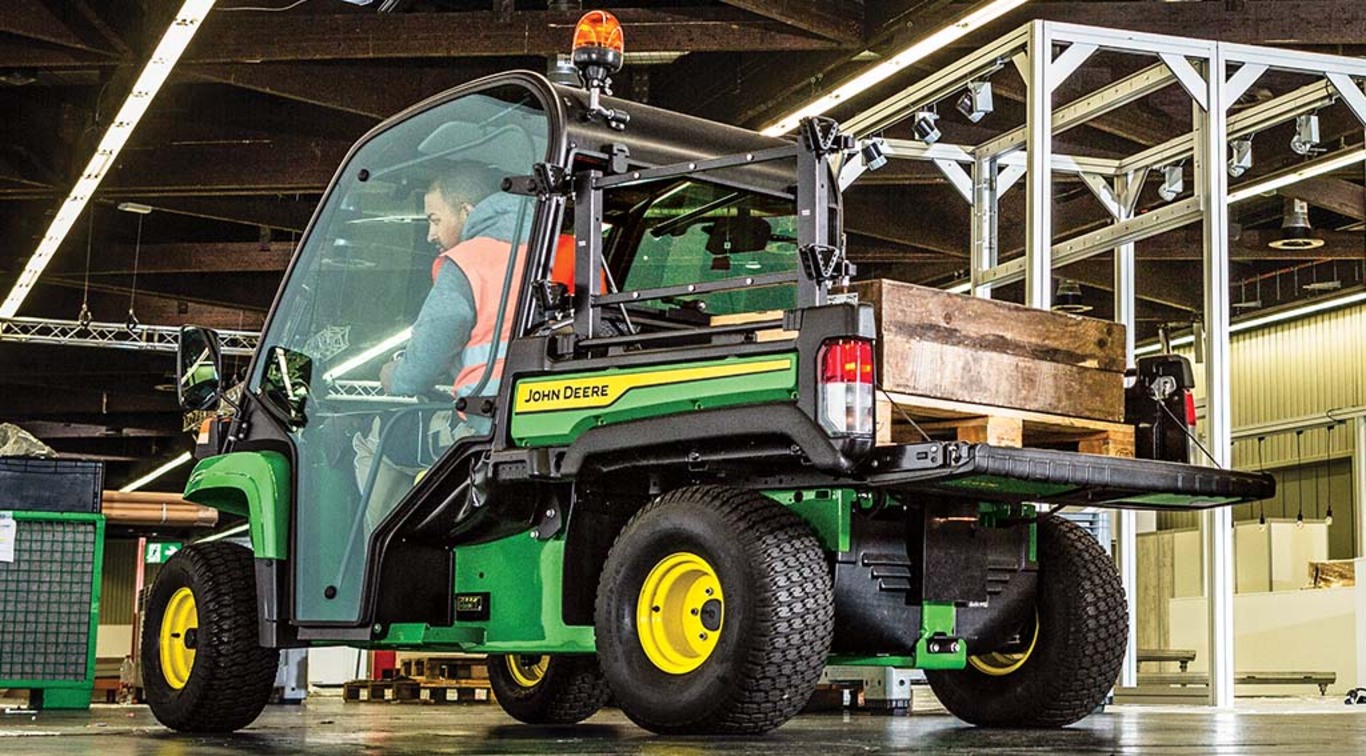
Popular UTV manufacturers and model families to research include Polaris Ranger, Can-Am Defender, John Deere Gator and Kubota RTV.
Explore our UTVs for Sale category to compare available utility terrain vehicle options.
2. Side-by-Side Utility Vehicles
Side-by-side vehicles offer seating for two or more occupants, depending on the configuration. They are commonly considered by buyers who need a combination of passenger transportation and practical work capability.
Available configurations can include two-seat, four-seat and six-seat models. Some are designed around cargo and towing applications, while others place greater emphasis on passenger comfort and recreational use.
When comparing side-by-sides, consider passenger capacity, cargo-bed dimensions, drivetrain, ground clearance and manufacturer-rated towing limits.
3. Farm and Ranch Utility Vehicles
Farm and ranch utility vehicles are useful for transporting supplies, moving tools and completing routine property tasks. They can help workers travel between fields, buildings, livestock areas and other locations on suitable private property.
Important features to compare include:
- Four-wheel drive options
- Ground clearance
- Cargo-bed capacity
- Towing capability
- Diesel or gasoline power
- Weather protection
- Service and maintenance requirements
A farm utility vehicle should be selected according to the terrain, daily workload and equipment it needs to carry.
4. Heavy-Duty Utility Vehicles
Heavy-duty utility vehicles are designed for more demanding work environments. Buyers may consider them for agricultural operations, construction properties, industrial facilities and large commercial sites.
Before purchasing, check the manufacturer’s specifications for payload, towing capacity, engine performance, drivetrain and operating limitations.
Do not assume that every vehicle marketed as heavy-duty can handle the same workload. Always compare its rated specifications with your actual requirements.
5. Electric Utility Vehicles
Electric utility vehicles are an alternative to conventional gasoline and diesel models. They may suit properties, warehouses, campuses, facilities and other applications where electric operation is practical.
Potential advantages include quieter operation and fewer routine engine-related maintenance requirements. However, battery range, charging time, charging infrastructure, payload and operating conditions must all be considered.
Buyers comparing electric utility vehicles should pay particular attention to battery specifications and the manufacturer’s stated operating range.
6. Diesel Utility Vehicles
Diesel utility vehicles are worth considering for buyers who prioritise diesel power for particular work applications. Depending on the model, they may be suitable for agricultural, property-maintenance and commercial tasks.
Compare engine specifications, fuel requirements, maintenance schedules, emissions compliance and availability of service support before purchasing.
New vs Used Utility Vehicles: Which Is Better?
One of the most important purchasing decisions is whether to buy a new or used utility vehicle. Both options can make sense depending on your budget, expected workload and preferred features.
Buying a New Utility Vehicle
A new utility vehicle may be suitable if you want the latest available specifications, a previously unused vehicle and access to the manufacturer’s applicable warranty.
Benefits to investigate include:
- New vehicle condition
- Current model specifications
- Available factory accessories
- Manufacturer warranty terms
- Financing options, where offered
- Vehicle configuration choices
Confirm the exact model year, warranty coverage, delivery arrangements and final purchase price before completing an order.
Buying a Used Utility Vehicle
Used utility vehicles can provide an alternative for buyers working with a limited budget. However, condition and maintenance history are especially important.
Before purchasing a used model, inspect:
- Engine and transmission condition
- Mileage or operating hours
- Suspension and steering components
- Brakes and tyres
- Frame and underbody condition
- Four-wheel drive operation
- Cargo bed and towing equipment
- Maintenance and ownership records
Ask for clear photographs, service documentation and an opportunity for an independent inspection where possible.
Important Features to Compare Before Buying
The best utility vehicle for one buyer may not be suitable for another. Use these factors to narrow down your options.
Engine and Powertrain
Compare gasoline, diesel and electric configurations according to your intended application. Consider operating costs, available service support and the manufacturer’s specifications.
Two-Wheel Drive vs Four-Wheel Drive
Four-wheel drive may be useful for certain uneven or challenging working environments. However, it is important to understand the vehicle’s drivetrain operation and terrain limitations.
Passenger Capacity
Choose a seating configuration that matches the number of people you regularly need to transport.
Two-seat models may suit individual operators or small teams. Four-seat and six-seat models can provide additional passenger capacity.
Cargo and Payload Capacity
If you plan to carry equipment, tools, supplies or materials, compare the manufacturer’s rated payload and cargo-bed capacity.
Towing Capacity
Check the vehicle’s rated towing capacity and any applicable limits for the hitch, trailer and operating conditions. Never exceed manufacturer specifications.
Cab and Weather Protection
Some utility vehicles offer enclosed cabs, windshields, doors, heating or air-conditioning options. These features can be useful in certain climates and working environments.
Confirm whether the features are standard or optional on the specific vehicle.
Popular Utility Vehicle Brands to Compare
Buyers in the USA and Canada can research several established manufacturers when comparing utility vehicles.
Polaris Ranger: A recognised utility side-by-side model family with different configurations for work and outdoor applications.
Can-Am Defender: A utility side-by-side model family worth comparing for cargo, passenger and work-oriented configurations.
John Deere Gator: A utility vehicle range associated with agricultural, property-maintenance and commercial applications.
Kubota RTV: A utility vehicle range that includes work-focused models and diesel options.
Kawasaki Mule: A utility vehicle family with configurations intended for work and recreational property use.
Yamaha Viking and Wolverine: Side-by-side model families that buyers may compare depending on whether their priority is utility or recreational use.
Model specifications, features and availability vary by year and market. Check the exact vehicle details before making a purchasing decision.
How Much Do Utility Vehicles Cost?
Utility vehicle prices vary significantly depending on the manufacturer, model, year, engine, condition, configuration and included accessories.
A basic used utility vehicle may have a different price from a new, fully equipped, four-wheel-drive model with an enclosed cab.
Factors that influence the final purchase price include:
- New or used condition
- Model year and operating hours
- Engine and drivetrain
- Passenger seating configuration
- Cargo and towing specifications
- Cab and climate-control options
- Accessories and attachments
- Taxes, transportation and delivery costs
For an accurate comparison, request a detailed quotation that identifies the vehicle, included equipment, applicable taxes and any additional delivery charges.
Buying Utility Vehicles in the USA
The USA offers a wide range of utility vehicle categories for agricultural, commercial, property-maintenance and recreational applications.
When purchasing, buyers should verify the seller’s identity, vehicle specifications, title or ownership documentation where applicable, payment terms and delivery arrangements.
Also check local registration, insurance and operating requirements. Off-road utility vehicles are not automatically approved for public-road use.
Buying Utility Vehicles in Canada
Canadian buyers should consider the same core purchasing factors while paying additional attention to regional climate, winter operation, local service availability and applicable provincial or territorial requirements.
For cold-weather applications, investigate battery performance, cold-start specifications, cab protection, heating options and manufacturer recommendations.
Before ordering, confirm the final price in the correct currency, applicable taxes, transportation arrangements and any cross-border import requirements.
Where to Find Utility Vehicles for Sale Online
Shopping online makes it easier to explore different vehicle types before contacting a seller. Buyers can compare specifications, review photographs, narrow down suitable categories and request additional information.
At Utility Vehicles for Sale, you can explore vehicle categories covering UTVs, side-by-sides, farm vehicles, electric utility vehicles and other work-focused options.
Before placing an order, make sure you have confirmed:
- The exact vehicle make, model and year.
- Whether the vehicle is new or used.
- Its condition and operating hours, where applicable.
- The included accessories and equipment.
- The total purchase price and payment terms.
- Delivery availability and estimated arrangements.
- Warranty, title and relevant documentation.
A clear purchasing process helps reduce misunderstandings and allows you to compare different offers more confidently.
Find the Right Utility Vehicle for Your Needs
Whether you are searching for a compact UTV, a multi-passenger side-by-side, a farm utility vehicle or an electric work model, choosing the right option requires more than comparing prices.
Think about the work you need to complete, the conditions in which the vehicle will operate and the specifications that matter most. Compare new and used options, review manufacturer ratings and confirm all purchasing details before making your decision.
Explore Utility Vehicles for Sale to discover available categories and find a vehicle that matches your intended application in the USA or Canada.
Frequently Asked Questions
1. What is the best utility vehicle to buy?
The best utility vehicle depends on your intended use. UTVs and side-by-sides may suit farm and property work, while commercial utility vehicles may be better for specific workplace transportation requirements.
2. Where can I find utility vehicles for sale in the USA?
You can explore online vehicle marketplaces and dealer websites, compare available models and request pricing and availability information from sellers. You can also browse the categories at UtilityVehiclesForSale.site.
3. Can I buy utility vehicles online in Canada?
You can research and enquire about utility vehicles online in Canada. Before purchasing, confirm the seller, vehicle details, payment terms, applicable taxes and delivery arrangements.
4. Are new or used utility vehicles better?
New vehicles may offer updated specifications and applicable manufacturer warranties. Used vehicles may offer lower purchase prices, but buyers should carefully inspect their condition and maintenance history.
5. What is the difference between a UTV and a side-by-side?
The terms are often used interchangeably. Both generally refer to compact vehicles with side-by-side seating, although specific vehicle designs and intended uses vary.
6. Are electric utility vehicles worth buying?
They may be suitable when their range, charging requirements, payload and operating conditions match the buyer’s needs. Compare battery specifications and total operating costs before deciding.
7. What should I check before buying a used utility vehicle?
Review its mechanical condition, operating hours, service history, tyres, brakes, drivetrain, frame and ownership documentation. An independent inspection can provide additional confidence.
8. Can utility vehicles be used for farming?
Many utility vehicles are designed for agricultural and property-maintenance applications. Check cargo capacity, towing ratings, drivetrain and suitability for the terrain and tasks involved.
9. Do utility vehicles require registration?
Requirements depend on the vehicle type and where it will be operated. Check applicable state, provincial, territorial and local regulations before using a vehicle on public roads.
10. How do I request utility vehicle pricing?
Identify the vehicle you are interested in and contact the seller for its current price, condition, specifications, availability and delivery information.
Explore Utility Vehicles for Sale
Browse our vehicle categories, compare available options and contact us for purchasing information. Find utility vehicles for work, agriculture, property maintenance and outdoor applications across the USA and Canada.
