
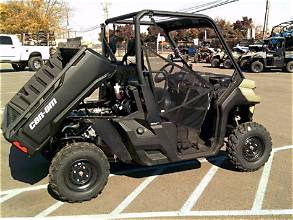
Electric Utility Vehicles for Sale: Prices, Benefits and Buying Guide
Looking for electric utility vehicles for sale in the USA or Canada? Electric utility vehicles are becoming an option worth considering for buyers who need practical transportation around farms, warehouses, commercial properties, industrial sites and large private estates.
Electric UTVs and battery-powered side-by-side vehicles can offer quiet operation, convenient charging and different maintenance requirements compared with traditional petrol or diesel models. However, the right vehicle depends on your workload, operating environment, battery capacity, charging access and purchase budget.
Whether you want to buy an electric utility vehicle for property maintenance, compare electric UTVs for sale or find a battery-powered work vehicle for your business, this guide explains the features and costs to evaluate before purchasing.
At Utility Vehicles for Sale, you can explore utility vehicle categories and research different vehicle options for the USA and Canadian markets.
Find Electric Utility Vehicles for Sale in the USA and Canada
Electric utility vehicles use rechargeable battery systems to power an electric motor rather than relying on a conventional petrol or diesel engine.
Depending on their design and classification, electric utility vehicles can include:
- Electric UTVs and side-by-side vehicles.
- Electric utility carts.
- Battery-powered property-maintenance vehicles.
- Electric vehicles for warehouses and industrial facilities.
- Electric work vehicles for commercial properties.
- Compact electric transport vehicles for suitable private sites.
When comparing electric utility vehicles for sale, first identify the type of vehicle you actually need. An electric utility cart designed for smooth indoor surfaces may not be appropriate for rough agricultural terrain. Similarly, an electric side-by-side designed for outdoor work may have different capabilities from a low-speed industrial utility vehicle.
Always match the vehicle’s intended application and manufacturer specifications to your working environment.
Benefits of Buying an Electric Utility Vehicle
Electric utility vehicles can offer several advantages, although the benefits vary by model and application.
1. Quiet Operation
Electric motors generally operate more quietly than conventional combustion engines. This may be useful in environments where noise needs to be managed, including certain residential properties, warehouses, resorts and commercial facilities.
Actual noise levels vary depending on the motor, tyres, terrain and other vehicle components.
2. Convenient Charging
Electric utility vehicles can be recharged using compatible charging equipment. For businesses with suitable charging access, this can make it convenient to recharge vehicles during planned downtime.
Before buying, confirm the charging requirements, connector type, electrical supply and charging time for the exact model.
3. Different Maintenance Requirements
Electric vehicles do not require conventional engine oil changes or exhaust-system maintenance. However, they still require routine inspections and servicing.
Maintenance can include:
- Battery condition checks.
- Tyre inspections.
- Brake maintenance.
- Suspension and steering checks.
- Electrical-system inspections.
- Charging equipment checks.
- Manufacturer-recommended service procedures.
Do not assume that an electric vehicle is maintenance-free.
4. Suitable for Certain Indoor and Outdoor Applications
Some electric utility vehicles are designed for indoor facilities, while others are built for outdoor property and work environments.
Check the manufacturer’s intended-use information, ground clearance, tyres, weather protection and operating limitations before selecting a model.
5. Potential Operating-Cost Advantages
Electric utility vehicles may have lower energy costs than comparable fuel-powered vehicles in certain operating environments. However, the actual savings depend on electricity rates, charging efficiency, battery replacement costs, utilisation and maintenance.
Compare the total cost of ownership rather than assuming that every electric vehicle will be cheaper to operate.
Best Applications for Electric Utility Vehicles
Electric utility vehicles can be useful in several environments when the vehicle is correctly selected for the application.
Electric Utility Vehicles for Farms
Electric farm utility vehicles may be considered for suitable short-distance property tasks, including transporting tools, inspecting areas and moving light supplies.
Farm buyers should assess battery range, terrain, payload and charging access. Heavy workloads and extended operating hours may require a different vehicle configuration.
Electric Utility Vehicles for Warehouses
Battery-powered utility vehicles may suit certain warehouse and industrial environments where indoor transportation is required.
Compare the vehicle’s dimensions, turning radius, load rating, floor compatibility and charging requirements.
Electric Utility Vehicles for Commercial Properties
Hotels, resorts, campuses, maintenance teams and large commercial properties may use suitable electric utility vehicles for moving equipment and transporting authorised occupants.
Consider passenger capacity, cargo space, operating range and whether the vehicle can be charged conveniently between shifts.
Electric Utility Vehicles for Residential Properties
An electric utility vehicle may be practical for certain large properties where owners need a compact vehicle for transporting gardening equipment, tools and supplies.
The correct vehicle depends on property size, terrain, storage and the type of work required.
Important Features to Compare When Buying an Electric UTV
If you intend to buy electric utility vehicles, compare the following specifications before requesting a quote.
1. Battery Capacity
Battery capacity is an important factor because it influences the amount of energy available for operation.
Manufacturers may publish battery specifications in kilowatt-hours (kWh), amp-hours (Ah) or other formats. These measurements are not interchangeable without considering battery voltage.
Compare the actual battery specifications and the manufacturer’s stated operating range.
2. Driving Range
Range describes how far a vehicle may travel under specified conditions. Actual range can differ considerably depending on:
- Terrain and surface conditions.
- Passenger and cargo weight.
- Driving speed.
- Temperature.
- Tyre selection.
- Driving style.
- Accessory use.
- Battery age and condition.
For work applications, calculate your normal daily operating distance and allow a practical reserve rather than choosing a vehicle based only on its maximum advertised range.
3. Charging Time
Charging time matters if your vehicle will be used throughout the working day.
Check whether the vehicle supports standard charging or requires dedicated equipment. Ask how long a full charge takes and whether the charging system is compatible with your available electrical supply.
4. Payload Capacity
If you plan to carry equipment, tools or materials, check the manufacturer’s payload rating.
Remember that passengers, cargo and accessories may all count towards the total payload. Never exceed the specified limit.
5. Towing Capacity
Some electric utility vehicles are designed for towing compatible equipment, while others are not.
Check the exact towing rating and manufacturer restrictions. Do not assume that an electric motor automatically provides a particular towing capability.
6. Ground Clearance and Tyres
For outdoor applications, ground clearance and tyre design can influence suitability for uneven surfaces.
A vehicle intended for smooth industrial floors may not be appropriate for muddy fields, gravel tracks or rough terrain.
7. Weather Protection
If the vehicle will operate outdoors, compare available roofs, windshields, doors and cab enclosures.
Cold temperatures can affect battery performance and charging behaviour. Buyers in colder regions of the USA and Canada should review the manufacturer’s operating and storage guidance.
Electric UTVs vs Gas and Diesel Utility Vehicles
Choosing between electric, petrol and diesel power depends on your operating requirements.
Electric Utility Vehicles
Electric models may suit buyers who value quiet operation, charging convenience and certain indoor or short-distance applications.
Consider them when:
- Charging access is available.
- Daily operating distances are predictable.
- The vehicle meets the required payload and terrain specifications.
- Quiet operation is valuable.
Gas Utility Vehicles
Gas-powered UTVs may suit buyers who need conventional refuelling and a broad selection of outdoor utility configurations.
Compare fuel consumption, engine specifications, service requirements and available models.
Diesel Utility Vehicles
Diesel utility vehicles may be considered for certain demanding work applications. Buyers should assess the exact engine, operating requirements, maintenance schedule and manufacturer-rated capabilities.
Which is best? There is no universal winner. Compare the vehicle’s suitability, operating costs, infrastructure and expected workload before making a purchase.
How Much Do Electric Utility Vehicles Cost?
The price of an electric utility vehicle depends on its design, battery, motor, payload rating, seating configuration, equipment and manufacturer.
Factors affecting purchase price include:
- Battery capacity and technology.
- Motor specifications.
- Vehicle size and passenger capacity.
- Cargo-bed and storage configuration.
- Four-wheel-drive or other drivetrain equipment.
- Weather protection and cab features.
- Charging equipment included.
- Warranty and after-sales support.
- Delivery, taxes and applicable fees.
A compact electric utility cart may have a very different price from a heavy-duty electric UTV designed for outdoor work.
When comparing electric utility vehicles for sale, request a written quote for the exact model and configuration. Confirm whether the price includes the battery, charger, accessories, delivery and applicable taxes.
New vs Used Electric Utility Vehicles for Sale
Buyers can compare new and used electric utility vehicles depending on their budget and operational needs.
Buying New Electric Utility Vehicles
A new electric utility vehicle may offer access to current specifications, new battery equipment and applicable manufacturer warranty coverage.
Before purchasing, ask for:
- Full battery specifications.
- Manufacturer-stated operating range.
- Charging requirements.
- Payload and towing ratings.
- Warranty coverage for the vehicle and battery.
- Included charging equipment.
- Service and replacement-parts information.
Buying Used Electric Utility Vehicles
Used electric utility vehicles may be worth considering when looking for a particular price range or configuration.
Battery condition deserves particular attention.
Before buying a used electric UTV, check:
- Battery age and condition.
- Available battery health information.
- Charging performance.
- Charger condition and compatibility.
- Motor and controller operation.
- Brakes, tyres and suspension.
- Frame and body condition.
- Maintenance history.
- Ownership and vehicle documentation.
A used electric vehicle with a significantly degraded battery may have a much shorter practical operating range than when it was new. Arrange an appropriate inspection before paying.
Electric Utility Vehicles for Sale in the USA
Buyers in the USA should compare vehicle specifications against their state, property and business requirements.
Consider the following before ordering:
- Whether the vehicle is designed for private-property or road use.
- Applicable state and local operating rules.
- Battery and charger compatibility.
- Available servicing and replacement parts.
- Delivery costs and applicable taxes.
- Warranty coverage in your location.
Do not assume that an electric utility vehicle designed for a private property or industrial facility is approved for public-road use.
Electric Utility Vehicles for Sale in Canada
Canadian buyers should pay particular attention to cold-weather operating conditions.
Low temperatures can influence battery performance, available range and charging requirements. Review the manufacturer’s recommendations for winter operation and storage.
Also compare:
- Battery warranty and service availability.
- Charging equipment compatibility.
- Weather protection.
- Local operating regulations.
- Delivery and transportation arrangements.
- Applicable provincial or territorial requirements.
If your vehicle will be used outdoors throughout winter, confirm that the selected model is suitable for the expected conditions.
How to Choose the Right Electric Utility Vehicle
Before you buy an electric utility vehicle online, use this checklist:
- Define your application: Decide whether the vehicle is for farm work, industrial transportation, property maintenance or recreation.
- Calculate your daily range: Estimate normal daily distance and operating hours.
- Compare battery specifications: Review capacity, warranty and expected battery life.
- Check charging access: Confirm that your location can support the vehicle’s charging requirements.
- Review payload: Include occupants, cargo and accessories.
- Check towing requirements: Confirm whether the vehicle supports your intended trailer or equipment.
- Evaluate the terrain: Compare tyres, ground clearance and drivetrain.
- Consider weather conditions: Check cold-weather and outdoor operating guidance.
- Compare new and used models: Assess purchase price, battery condition and warranty.
- Request a written quote: Confirm vehicle specification, included equipment, taxes and delivery.
- Verify the seller: Check business details, payment terms and vehicle documentation before transferring funds.
Where to Buy Electric Utility Vehicles Online
If you are searching for electric utility vehicles for sale, start by exploring the categories at Utility Vehicles for Sale.
Visit the UTVs and Side-by-Side Vehicles category to research utility terrain vehicles and compare suitable configurations.
When requesting pricing, include your preferred vehicle type, intended application, battery requirements, passenger capacity and delivery location.
Whether you are looking for an electric farm UTV, a battery-powered property vehicle or an electric work side-by-side, confirm the exact specifications and purchase arrangements before completing your order.
Frequently Asked Questions About Electric Utility Vehicles
Where can I find electric utility vehicles for sale?
You can compare electric utility vehicle options through specialist vehicle sales websites and manufacturers. Visit Utility Vehicles for Sale to explore vehicle categories and request information.
Are electric UTVs good for farm work?
Electric UTVs may suit certain farm tasks, especially where daily distances and charging schedules are predictable. Check the battery range, payload, ground clearance and terrain suitability before buying.
How far can an electric utility vehicle travel?
Range depends on battery capacity, vehicle design, load, terrain, temperature and driving conditions. Always use the manufacturer’s stated range as a reference and allow for real-world operating differences.
How long does it take to charge an electric UTV?
Charging time depends on battery capacity, charger output, electrical supply and charging technology. Check the exact model’s charging specifications.
Are electric utility vehicles cheaper to operate?
They may have lower energy costs in certain operating environments, but the total cost depends on electricity prices, battery life, maintenance, charging equipment and vehicle usage.
Can electric utility vehicles tow trailers?
Some models are designed for towing, but capabilities vary. Check the manufacturer’s towing rating and restrictions for the exact vehicle.
Are used electric utility vehicles worth buying?
They may be suitable purchases if the vehicle is in good condition and the battery retains adequate capacity. Request battery-health information and arrange a proper inspection.
Can electric utility vehicles operate in winter?
Some models can operate in cold conditions, but low temperatures can affect battery performance and charging. Follow the manufacturer’s cold-weather operating and storage instructions.
Are electric UTVs suitable for warehouses?
Certain electric utility vehicles are designed for industrial and indoor environments. Check vehicle dimensions, floor compatibility, load rating and indoor-use specifications.
Can I buy electric utility vehicles online in the USA and Canada?
You can research and request pricing online. Verify the seller, vehicle specification, battery warranty, charging equipment, taxes, payment terms and delivery arrangements before completing a purchase.
Find the Right Electric Utility Vehicle Today
Choosing the right electric utility vehicle requires more than comparing advertised prices. Battery capacity, range, charging access, payload, terrain and service support all matter.
Explore Utility Vehicles for Sale to compare utility vehicle categories and research options for your business, property or working environment in the USA and Canada. Request pricing and confirm the specifications of the exact vehicle before purchasing.
